15 Best ERI Compensation Alternatives for HR Teams in 2026
Compare 15 ERI compensation alternatives with data methodology, pricing, and company size fit. From SalaryCube and Mercer to Payscale and Pave — find the right salary benchmarking tool.
Andy Sims is a veteran compensation strategist at SalaryCube, a cloud-based salary benchmarking platform launched in 2015 that now analyzes more than 20 million data points across 16,000 job titles. Over a 25-year career he has helped hundreds of public-, private- and nonprofit-sector employers design fair, competitive, and equitable pay programs.
Before SalaryCube, Andy led compensation and total-rewards teams at mid-market and Fortune 500 organizations, where he built market-pricing models, geographic differentials, and executive incentive plans covering workforces in 40+ countries. Today he oversees SalaryCube's data science roadmap and authors widely cited articles such as "Average CEO Salary by Company Size." His research is frequently quoted by industry analysts, business media, and consulting firms looking for up-to-date pay insights.
Under Andy's leadership SalaryCube has been profiled by startup-data platform Tracxn as a top HR-tech competitor and referenced by publications discussing executive pay trends, fractional staffing, and CFO compensation. Andy's current focus areas include AI-driven pay-equity diagnostics, hybrid-job pricing, and practical strategies HR teams can use to counter wage-compression and skills-based hiring pressures.
When he's not crunching comp data, Andy mentors early-career HR analysts, plays jazz guitar, and explores California's northern coast.

Compare 15 ERI compensation alternatives with data methodology, pricing, and company size fit. From SalaryCube and Mercer to Payscale and Pave — find the right salary benchmarking tool.

Compare 11 Salary.com alternatives with honest pros, cons, and pricing. From SalaryCube and Mercer to Payscale and Pave — find the right compensation platform.

Compare 10 job evaluation software tools for 2026 with pros, cons, and pricing. From SalaryCube and Korn Ferry Hay to Mercer IPE and Gradar.

Compare 13 free salary data sources for 2026 including BLS, Glassdoor, SalaryCube Open Benchmark, and Pave. Learn when free data is enough and when to upgrade.

HRIS compensation module or dedicated software? Compare features, data freshness, pricing, and compliance to find the right fit for your organization.

Compare 11 Korn Ferry alternatives with pros, cons, and pricing. From SalaryCube and Mercer to Payscale and Pave — find the right benchmarking fit.

Compare 11 Mercer alternatives with pros, cons, and pricing. From SalaryCube and Radford to Payscale and Pave — find the right fit for your organization.

Compare the 15 best compensation benchmarking companies for 2026, from real-time platforms like SalaryCube to global survey firms like Mercer and Radford.

Compare 15 salary benchmarking tools for 2026 with honest pros, cons, and pricing. From real-time platforms like SalaryCube to traditional surveys like Mercer.
A practical checklist of questions to ask during compensation software demos. Helps HR and compensation teams cut through vendor polish and evaluate what actually matters for their organization.
An honest analysis of compensation survey participation for HR teams. Covers the real costs, the legitimate benefits, and when the burden outweighs the value — plus alternatives for teams that can't justify the effort.
Healthcare compensation has unique challenges that generic benchmarking tools miss. This guide covers shift differentials, clinical vs. administrative pay structures, rural vs. urban markets, and how to build defensible ranges for healthcare roles.

10 questions to ask every compensation data provider. Includes evaluation scorecard, pre-sign checklist, and common mistakes to avoid.
A step-by-step guide to market pricing hybrid and blended roles when traditional survey job codes don't match. Covers composite matching, responsibility weighting, and documentation for defensible pay decisions.
Payscale acquired Payfactors and MarketPay, creating a confusing product landscape. This guide explains what happened, which products still exist, and what it means for HR teams evaluating compensation tools.
An honest comparison of traditional compensation survey data and real-time compensation platforms. Covers when surveys are the better choice, when real-time wins, and how most teams use both.

HR platforms with built-in salary benchmarking are essential in 2026. Compare SalaryCube, Rippling, BambooHR, and more for your HR team.

SalaryCube is a U.S.-focused compensation intelligence platform that delivers real-time salary data and practical benchmarking tools built specifically for H...

This guide is designed for HR and compensation professionals seeking to modernize their pay planning processes. A data-driven compensation planning tool is e...

In today’s rapidly changing U.S. labor market, HR and compensation professionals face unprecedented challenges in keeping pay structures competitive, equitab...

A compensation system is the integrated set of philosophy, pay structures, market data, governance processes, and tools that determines how your organization prices jobs and pays people. This operational guide covers how to diagnose system weaknesses and optimize every lever—from data freshness to range structure to governance cadence.

A job responsibilities template is the foundational document HR and compensation teams use to define what a role actually does, what it requires, and how it ...

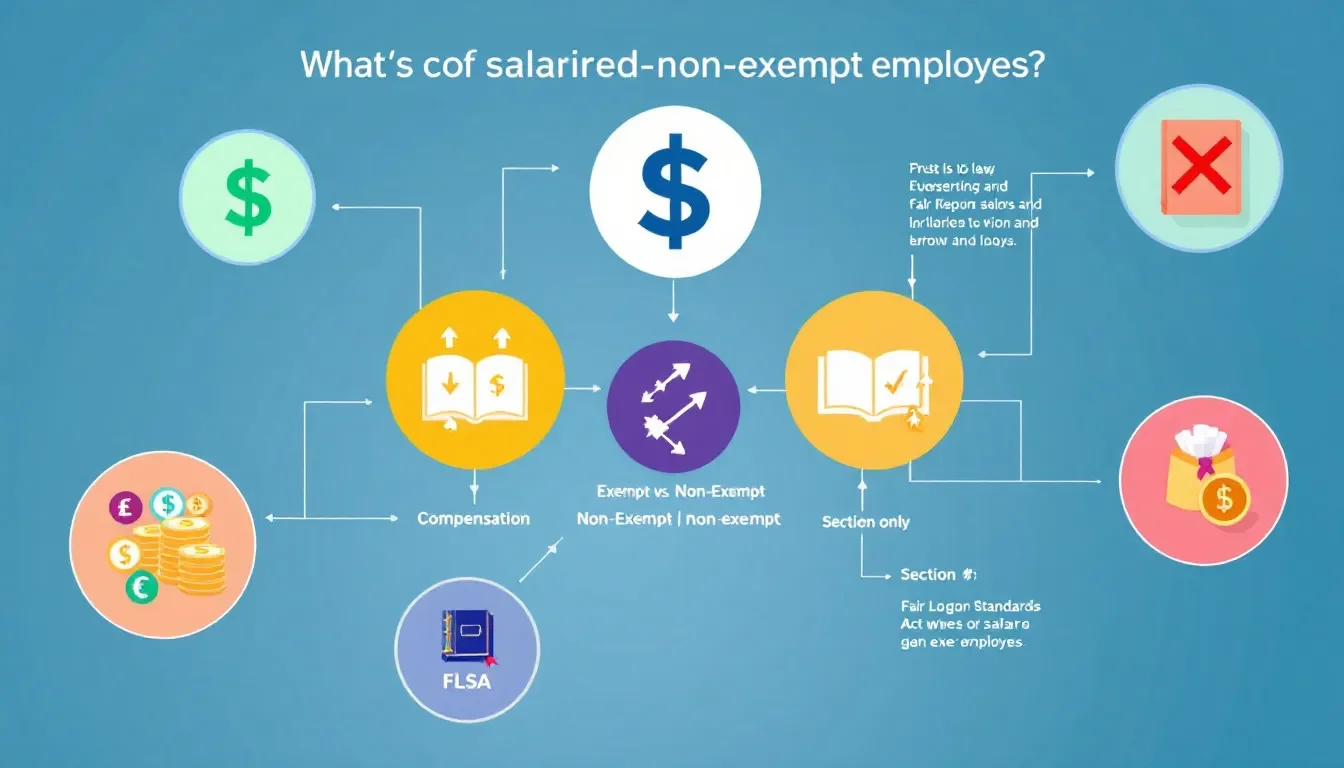
Non-exempt employees are those covered by the Fair Labor Standards Act wage and hour protections, particularly minimum wage and overtime requirements.

This guide provides U.S.-based HR and compensation professionals with actionable insights and best practices for leveraging real-time compensation intelligen...

Understanding how to calculate comp is one of the most fundamental skills HR and compensation professionals need to master. Whether you’re pricing a new role...

Total compensation includes base pay, variable pay, equity, and benefits. Learn how HR and compensation professionals define, benchmark, and structure each component to build competitive, defensible pay packages.

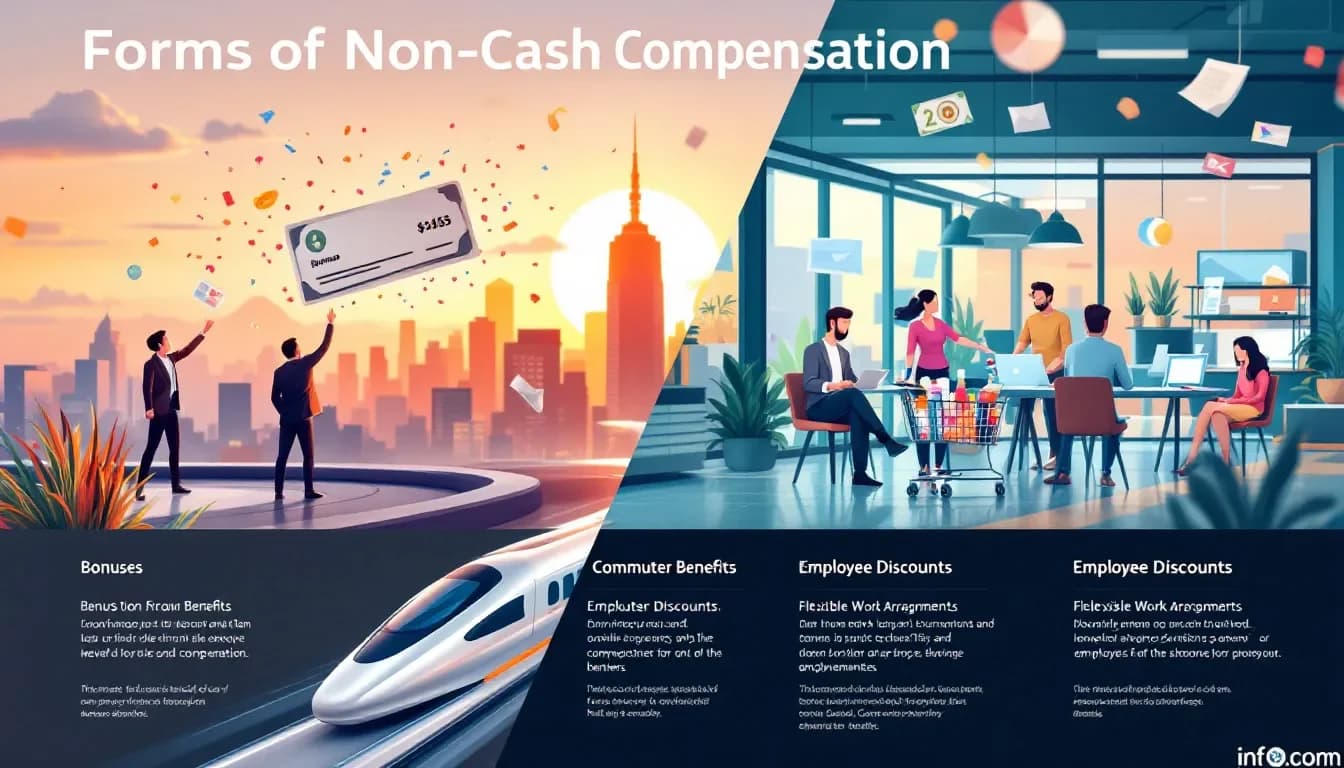
Non cash compensation refers to any form of employer-provided value that is not delivered as direct cash pay—such as health insurance, retirement contributio...

A practical framework for HR and compensation teams evaluating published salary guides: strengths, blind spots, when to supplement with real-time data, and which guides matter most by industry.

The average salary increase per year refers to the typical percentage change in base pay that employees receive during an annual compensation cycle—and for U...

Organizations searching for payfactors competitors typically share a common frustration: compensation data that lags behind market reality, complex implement...

This article is designed for U.S.-based HR and compensation teams who need to understand today’s best paying jobs to design competitive, defensible pay strat...

The average HR manager salary is one of the most frequently searched compensation benchmarks—and one of the most misunderstood. For HR and compensation profe...

The average account manager salary in the United States is a critical data point for HR and compensation professionals building competitive pay structures, b...

Finding the best salary websites that deliver defensible, real-time compensation data is one of the most persistent challenges HR and compensation teams face...

U.S. organizations are grappling with sustained burnout, flat engagement scores, and elevated retention pressure since 2020-2022. More than half of employees...

The term mid senior level has become increasingly important in modern HR and compensation practices, yet many organizations struggle to define it consistentl...

A practical guide for HR and compensation teams designing compensation packages. Covers base pay, short-term incentives, long-term incentives, benefits, perquisites, non-monetary rewards, benchmarking, and total comp communication.

RIF stands for Reduction in Force—a permanent termination of one or more positions driven by business needs rather than individual performance. This article ...

This article explores the advantages and disadvantages of using salary bands in modern organizations. Understanding the pros and cons of salary bands is crit...

A cost of benefits per employee calculator is a specialized tool that helps HR and compensation teams determine the average annual dollar amount an employer ...

A job-based pay structure is a compensation framework where pay is determined by the evaluated value of each job role—not by individual negotiation, tenure, ...

HR and compensation teams frequently encounter “job title” and “job position” used interchangeably in daily conversations, HRIS fields, and recruitment proce...

This guide is designed for HR and compensation professionals who need to accurately calculate, interpret, and act on employee turnover data. Understanding ho...

Stay interview questions are the specific prompts managers use during structured conversations with current employees to understand why they remain with the ...
Job levels are standardized tiers that categorize roles based on scope of responsibility, decision-making authority, required skills, and organizational impa...

Pay grading has become more critical than ever for U.S. organizations navigating unprecedented compensation challenges. With pay equity scrutiny intensifying...

This guide is designed for HR and compensation professionals seeking up-to-date, actionable insights on average operations manager salaries in the U.S. for 2026.

HR strategy goals are the measurable, time-bound objectives that connect your HR function to business outcomes. If your organization is building or refreshin...

How HR and compensation teams handle pay during PIPs — merit freeze policies, demotion pay adjustments, severance calculations, and using market data to ensure fair treatment throughout performance remediation.

How HR and compensation teams should benchmark against the highest-paying companies in 2026. Covers total rewards structures, equity vs. cash mix, and strategic pay positioning for Amazon, Databricks, Stripe, and more.

California transparent salaries have fundamentally changed how employers must approach compensation—from job postings to internal communications to regulator...

When CEOs ask “What should we pay a COO at our size?” HR and compensation leaders face a complex challenge. Chief operating officer compensation varies more ...

Compensation models for consulting firms determine how revenue flows from client billings to individual consultants, how risk is shared between the firm and ...

A market reference point (MRP) is a specific numerical benchmark—typically a percentile such as the 50th, 60th, or 75th—that represents the external market r...

Salary inversion occurs when new hires earn more than tenured employees in the same role. Learn how to detect it with compa-ratio analysis, fix it with market adjustments, and prevent it with structured pay ranges.

A comprehensive guide to Willis Towers Watson (WTW) compensation surveys — what they offer, their strengths and limitations, and how modern HR teams use them alongside newer data sources.

Performance management strategies define how organizations connect employee contributions to business results and compensation decisions. For HR and compensa...

When leadership asks, “Are we a 50th or 75th percentile company?” the answer carries significant implications for budget, talent acquisition, and internal eq...

A certified compensation professional holds the CCP certification, the most recognized credential for compensation specialists who design, administer, and ev...

When HR and compensation professionals ask “how much do benefits add to salary,” they’re really asking a budgeting and strategy question: what’s the true cos...

A calculator for salary increase is a specialized tool that enables HR and compensation teams to model pay adjustments with precision, transforming what was ...

Salary administration is the structured system HR and compensation teams use to design, manage, and adjust base pay across an organization—ensuring every pay...

Try the free Compa Ratio Calculator now — Instantly calculate compa ratios for your employees and streamline your compensation analysis.

Healthcare compensation analytics is the systematic use of data—internal payroll, market benchmarks, workforce metrics, and performance indicators—to optimiz...

The chief financial officer role has evolved far beyond traditional accounting oversight. Today’s CFOs serve as strategic partners to CEOs, managing everythi...

Sales compensation gets messy fast. Quota sandbagging at quarter-end, reps maintaining shadow spreadsheets because they don’t trust official statements, and ...

Compensation survey companies remain a foundational resource for HR and total rewards teams seeking defensible market data to guide pay decisions. This artic...

A variable compensation plan is a structured, documented framework that defines how a portion of an employee’s total cash compensation is earned based on per...

Choosing the right compensation platform can make or break your organization’s ability to attract top talent, ensure pay equity, and maintain competitive sal...

A nonprofit salary guide is an essential resource for HR and compensation professionals who need reliable, defensible data to set pay that attracts talent, s...

Finding and implementing the best employee retention strategies has become a defining challenge for HR and compensation teams navigating the 2025 labor marke...

Employee connectivity directly affects retention and total labor cost. Learn how compensation teams combine connectivity data with pay analytics to build retention models and communicate total rewards effectively.

A job grading system is a structured framework that classifies jobs into hierarchical grades or bands based on their relative value to the organization. Unli...

In today’s rapidly evolving workplace, communicating compensation effectively has become a critical responsibility for HR and compensation teams. This compre...

Employee development strategies are essential for HR and compensation teams seeking to build resilient, high-performing organizations in today’s rapidly chan...

Physician salaries represent one of the most complex and high-stakes compensation challenges facing HR and total rewards teams in the United States today. Fo...

Hybrid work means employees split their time between working in the office and working remotely—from home, a coworking space, or another location—rather than...

In today’s competitive U.S. labor market, employees increasingly expect transparency about their complete compensation package. Gone are the days when a simp...

How pay period frequency affects FLSA overtime calculations, salary annualization for benchmarking, and payroll cost modeling across workforce segments. A guide for HR and compensation professionals.

Variable pay is the portion of employee compensation that fluctuates based on performance, results, or specific conditions—such as bonuses, commissions, prof...

A wage increase letter is a formal written document from an employer to an employee that confirms a permanent or semi-permanent change in base compensation, ...

Job analysis is the foundation of defensible pay structures, accurate salary benchmarking, and compliant FLSA classification. This guide covers the step-by-step process HR and compensation teams need to connect job analysis to compensation decisions.

Geographic pay differentials are adjustments to base salary—typically expressed as a percentage above or below a national anchor—that reflect cost-of-labor d...

Alabama’s healthcare sector continues expanding, driving steady demand for qualified pharmacy technicians across retail, hospital, and specialty settings. Th...

HR and compensation leaders face unprecedented pressure in 2026 when setting chief executive officer compensation. Say-on-Pay votes, mandatory CEO-to-median ...

Healthcare organizations face unprecedented compensation challenges in 2026, from persistent nursing shortages to hybrid roles that defy traditional salary s...

Pave compensation data has become a go-to benchmarking source for HR and Total Rewards teams at tech companies seeking real-time market insights beyond tradi...

Job functions are the highest level of job architecture, grouping roles by the type of work performed. Learn how compensation teams use job functions to build pay structures, benchmark salaries by functional area, and ensure FLSA compliance.

How compensation teams use job descriptions for salary benchmarking, FLSA exempt classification, pay transparency compliance, and job architecture alignment — practical frameworks for mid-market HR.

How HR teams and firm administrators design, benchmark, and govern partner compensation models — from lockstep to eat-what-you-kill to hybrid structures.

Learn how to calculate total compensation for benchmarking, offer modeling, and budget planning. Covers base pay, variable comp, equity, benefits valuation, cost-to-company calculations, and common mistakes.

This guide provides U.S. compensation benchmarks, pay drivers, and salary structuring strategies for machine learning engineers in 2026. It is designed for H...

FLSA classification exempt refers to the process of determining whether a position qualifies for exclusion from the Fair Labor Standards Act’s minimum wage a...

A short term incentive plan (STIP) is a formal variable pay program that rewards employees based on performance over a period of one year or less, typically ...

A practical guide for HR and compensation teams designing sales compensation plans. Covers base-plus-commission, draw, tiered, quota-based, and team-based structures, OTE design, pay mix by role, accelerators, and plan governance.

Annual incentive plans (AIPs) are a cornerstone of compensation strategy in the United States, especially for managers, professionals, and executives. This g...

Performance related pay is experiencing renewed attention across U.S. organizations in 2024-2025, driven by several converging forces. Tight labor markets fr...

A salary comparison tool is now essential infrastructure for U.S. HR and compensation teams facing pressure to make fast, defensible pay decisions in a volat...

Target compensation is the planned annual earnings for a role when an employee meets 100% of their performance targets—combining base salary with expected va...

How should HR teams benchmark product marketing manager salary in 2026? Covers average pay (~$142K), pay drivers by experience, industry, geography, and company size, plus how to build defensible ranges for PMM roles.

Internal and external equity in reward management are the two lenses every HR and compensation professional must use when designing, maintaining, and defendi...
Understanding pharmacy technician salary in Illinois is essential for HR and compensation professionals who need to price these roles accurately across retai...

How should HR and compensation teams benchmark procurement manager salary by company size? Covers pay ranges from small companies to enterprise, key pay drivers, total compensation, and how to build defensible ranges.

EEO classification maps employees into ten federal job categories used for pay equity analysis, adverse impact testing, and OFCCP compliance. Learn how to align EEO categories with job architecture and compensation decisions.

Compensation studies are the foundation of every defensible, data-driven pay program. For HR leaders, total rewards professionals, and compensation teams in ...

The Mercer Salary Guide 2021 remains embedded in compensation workflows at many organizations, but HR and compensation teams using this data in 2026 face a c...

Pay compression is one of the most common—and commonly overlooked—compensation problems facing U.S. organizations today. It occurs when the pay differences b...

A step-by-step guide for HR and compensation professionals to structure competitive compensation packages by role and level, benchmark each component against market data, and communicate total rewards effectively.

Are you an HR professional, compensation analyst, or business leader seeking a comprehensive understanding of CompAnalyst features and how they compare to mo...

How CPM, RPA, and CAPS certifications affect property management salary benchmarks: certification-based pay differentials, building premiums into pay structures, and benchmarking certified vs non-certified roles.

Job grading is a systematic process for classifying job roles into defined levels or grades based on their relative value to the organization. This guide is ...
Pharmacy technician salary benchmarks for Texas — metro differentials, pay by setting type, experience-based ranges, and how HR teams should price this non-exempt role in 2026.

Pay structures are the backbone of compensation strategy, yet many HR and compensation teams still manage them through outdated spreadsheets, stale survey da...

How should HR teams benchmark case manager salary by company size? This guide covers pay ranges from small firms to enterprise employers, key pay drivers, FLSA considerations, and how to build defensible ranges for this healthcare role.

Accurately pricing a group product manager salary is one of the more challenging tasks HR and compensation teams face in 2026. The role sits at a critical in...

Production manager salary is one of the most frequently benchmarked compensation data points for HR and compensation teams in manufacturing, industrial, and ...

Are you an HR or compensation professional searching for actionable compensation and incentives examples to help attract and retain top talent in 2025? This ...

Project manager salary is one of the most frequently benchmarked compensation data points for HR and total rewards teams in the United States. This 2026 guid...

For HR and compensation teams responsible for pricing finance leadership roles, understanding the current salary of finance manager positions is essential to...

The data science field continues its explosive growth trajectory, with the Bureau of Labor Statistics projecting 34% employment growth for data scientists th...

How HR and compensation teams should benchmark marketing manager salaries by company size. Covers pay ranges, job architecture, FLSA classification, and market pricing strategies for mid-market employers.

A merit increase is a permanent raise to an employee’s base salary awarded specifically to recognize and reward individual performance, achievements, or cont...

Burdened labor rate is the total cost an employer pays to have one employee work for one hour—or one year—including base pay plus every associated expense li...

Skill-based pay is a compensation model that ties employee pay directly to the skills and competencies they have demonstrated, rather than to job title, tenu...

How HR and compensation teams should benchmark real estate asset manager salaries — pay ranges by portfolio size, property type, total comp structure, and FLSA classification.

Weighted salary refers to a pay figure that has been adjusted or combined based on assigned importance factors—such as hours worked at different rates, marke...

This guide provides HR and compensation professionals with a comprehensive compensation policy template, including best practices and sample language. Whethe...

Compare 11 Radford alternatives with pros, cons, and pricing. From SalaryCube and Mercer to Payscale and Pave — find the right benchmarking fit.
California county salaries represent one of the most transparent—and underutilized—data sources available to HR and compensation professionals benchmarking p...
Job evaluation is the systematic process of determining the relative worth of roles to build defensible pay structures. This guide covers point-factor, ranking, classification, and market pricing methods for HR and compensation teams.

A total compensation statement builder is specialized software that enables HR and compensation teams to automate the creation, customization, and distributi...

What does a chief people officer do? The Chief People Officer (CPO) is the executive leader who owns people strategy, company culture, and the full employee ...

Boundaryless organizations break down rigid hierarchies and silos — but they create real compensation challenges. Learn how HR teams build job architecture, price cross-functional roles, and maintain pay equity in fluid org structures.
Pharmacy technician pay in Arizona varies significantly based on location, certification status, work setting, and experience level—making accurate benchmark...
How should HR teams benchmark pharmacy technician salary in California? Covers pay ranges by metro, employer type, and experience, plus how to build defensible ranges for this hourly healthcare role.
Pharmacy technician salary Florida decisions present a significant challenge for HR and compensation teams operating in one of the nation’s largest and most ...
This comprehensive guide is designed specifically for HR and compensation teams seeking to understand pharmacy technician salary trends in Georgia for 2026. ...
Pharmacy technician salary in Michigan is a critical data point for HR, talent acquisition, and compensation teams managing healthcare staffing across the st...
Pharmacy technician salary is one of the most frequently benchmarked compensation data points for HR and compensation professionals in U.S. healthcare organi...
Pharmacy technician salary benchmarks for New York State — metro differentials, pay by setting type, experience-based ranges, and how HR teams should price this non-exempt role in 2026.
Pharmacy technician salary benchmarks for North Carolina — metro differentials, pay by setting type, experience-based ranges, and how HR teams should price this non-exempt role in 2026.
A pharmacy technician in Ohio is a healthcare support professional who assists pharmacists in preparing and dispensing medications, managing inventory, proce...
Pharmacy technician salary in Pennsylvania remains a critical benchmarking priority for HR and compensation professionals managing healthcare workforces. T...
Pharmacy technician salary benchmarks for Tennessee — metro differentials, pay by setting type, experience-based ranges, and how HR teams should price this non-exempt role in 2026.
Virginia pharmacy technician salary benchmarks for HR and compensation teams: pay ranges by metro, experience, and employer type, plus how to build defensible ranges with real-time data.
If you’re pricing pharmacy technician salary in Washington for 2026, you need current, defensible data—not outdated survey numbers from last year’s market. T...

Salary banding is the foundation of modern compensation strategy for U.S. HR and compensation teams navigating pay transparency laws, hybrid roles, and volat...

“I’m looking for a job that offers competitive compensation and benefits.” This phrase—or some close variant—is what candidates type into search engines, sha...

A competitive pay policy defines how your organization positions pay relative to the market. Learn the components, build process, governance model, and annual review cycle HR and compensation teams need.

A market competitive pay system aligns your compensation to external labor market data. Learn how to build one using real-time data sources, job matching, pay ranges, and ongoing governance—written for HR and compensation professionals.

An uncompetitive salary quietly erodes your ability to attract qualified candidates, retain good employees, and maintain a defensible compensation strategy. ...

A step-by-step salary increase policy framework covering eligibility rules, merit matrices, promotion increases, FLSA compliance, budget allocation, and governance. Built for HR and compensation professionals at mid-market organizations.

Competency-based pay ties compensation to demonstrated skills rather than job title or tenure. Learn when it works, how to design competency pay structures grounded in market data, and the implementation challenges comp teams should plan for.

This article is designed for HR professionals, compensation managers, and finance leaders in the United States who are responsible for shaping compensation s...

Surge pay is a compensation mechanism that HR and total rewards teams increasingly rely on to solve one of the most persistent workforce challenges: getting ...

Competitive pay is compensation that meets or exceeds market rates for comparable roles by industry, geography, and company size. Learn how HR and compensation teams define, benchmark, and maintain competitive pay structures using real-time market data.

Compensation planning is a cornerstone of effective human resources management, directly impacting talent retention, cost control, legal compliance, and orga...

Pink collar jobs continue to form the backbone of America’s service economy, yet they remain structurally underpaid despite their critical importance to orga...

A compensation analysis template in Excel is the backbone of effective pay analysis for HR and compensation teams. This guide is designed for HR and compensa...

How HR and total rewards leaders design, measure, and evolve a total rewards strategy that connects compensation, benefits, development, recognition, and well-being to business objectives.

Understanding the distinction between base salary and total compensation is foundational to every compensation decision HR teams make—from building salary ba...

An HR analytics dashboard Excel template is a prebuilt Excel workbook containing linked data tables, pivot tables, charts, slicers, and KPI views that transf...

Compensation teams face mounting pressure to prove that pay decisions are fair, defensible, and aligned with organizational values. DEIJ—diversity, equity, i...

A practitioner's guide to designing performance-based compensation programs that connect merit matrices, variable pay structures, and market data into a defensible, budget-conscious pay-for-performance framework—written for HR and compensation professionals.

Learn how HR and compensation teams create total compensation statements that improve retention, support pay transparency, and communicate the full value of employment. Includes what to include, best practices, and common mistakes.

The most common compensation issues HR teams face—pay compression, salary inversion, pay equity gaps, outdated market data, inconsistent job matching, lack of transparency, and unguarded manager discretion—each have specific diagnostic signals and remediation approaches. This guide covers how to detect, diagnose, and fix each one.

• A compensation review process is a structured, repeatable framework for evaluating employee compensation against U.S. market data, internal equity standard...

A practical guide for HR leaders on building a compensation team — from hiring your first analyst to structuring a full comp function with analysts, managers, directors, and VP of Total Rewards.

This guide reviews the best salary surveys for HR and compensation teams in 2026, explaining how to select, combine, and operationalize them for optimal resu...

Pharmacy technician salary benchmarking presents unique challenges for HR and compensation professionals navigating a high-volume, tightly regulated healthca...

A compensation policy represents the operational backbone of employee remuneration—the documented framework that transforms your organization’s pay philosoph...

Software engineer total compensation refers to the complete economic value an employer provides to a software engineer over a defined period—typically annual...

Understanding what a benchmark job is forms the foundation of effective salary benchmarking and market pricing for any organization. If you manage compensati...

Sales compensation consulting helps organizations design, assess, and optimize pay structures for sales teams to align financial incentives with business obj...

A practical guide for HR leaders evaluating compensation consulting firms. Covers when to hire a consultant vs. use software, types of engagements, evaluation criteria, what good engagements look like, and red flags to avoid.

Executive compensation benchmarking is the systematic process of comparing your organization’s executive pay structures against market data from comparable c...

A salary budget survey provides HR and compensation teams with aggregated data on what employers plan to spend on salary increases, helping organizations ben...

Custom salary surveys give HR and compensation teams the precise market data they need when standard sources fall short. This article covers how to design, e...

A practical guide for healthcare HR and compensation teams on using compensation survey data effectively. Covers clinical vs non-clinical benchmarking, shift differentials, geographic variation, key data sources, and regulatory context.

Adhocracy culture is a highly flexible, innovation-driven organizational approach that prioritizes rapid adaptation, experimentation, and decentralized decis...

Compensation objectives are the explicit, measurable goals that guide every decision an organization makes about pay—from base salary structures to variable ...

Compensation principles define how your organization positions pay relative to market data. Learn how to establish a lead, match, or lag philosophy, align it to business strategy, document it for stakeholders, and review it annually.

Compensation and rewards are distinct but connected levers that modern HR teams use to build comprehensive total rewards strategies for U.S.-based organizati...

Employee attrition refers to the gradual reduction of a company’s workforce when employees leave and their roles are not immediately backfilled. Employee att...

How HR and compensation teams use interview insights to calibrate offers, place candidates in pay bands, and maintain internal equity — with practical frameworks for every hiring stage.

A real estate compensation survey is a foundational tool for HR and compensation professionals in the real estate sector, providing critical benchmarks for p...

This comprehensive guide is designed for U.S.-based HR professionals, total rewards specialists, and compensation teams seeking to design, implement, and man...

Long-term incentives (LTI) are compensation awards that reward employees for sustained performance and service over multi-year periods, typically three to fi...

DEI training only changes pay outcomes when it's connected to compensation workflows. Learn how HR teams use bias-aware training, pay equity audits, and data-driven governance to close pay gaps.

A job family is a grouping of roles that share similar functions, skills, and career progression paths. Learn how job families drive salary structures, pay equity analysis, and market pricing for HR and compensation teams.

This guide provides HR and compensation professionals with a comprehensive understanding of DEIB (Diversity, Equity, Inclusion, and Belonging), its definitio...

The salary benchmarking process is the foundation of every defensible, fair, and competitive compensation program—yet many HR and compensation teams still st...

This guide will walk you through what modern compensation consulting firms actually do, when to hire them versus using software platforms, how to evaluate pr...

Pay equity analysis is the systematic process of identifying and remediating unjustified pay disparities across gender, race, and other protected classes. Learn the full methodology—legal frameworks, statistical approaches, remediation strategies, and ongoing monitoring—written for compensation practitioners.

A compensation consultant is a specialized advisor who helps organizations design, evaluate, and optimize their pay strategies, salary structures, and incent...

A framework for HR and compensation teams to define, measure, and reward employee effectiveness—linking performance criteria to merit cycles, pay ranges, and real-time market data.

By 2026, HR metrics have evolved from “nice-to-have” dashboards to mandatory business intelligence for U.S. HR and compensation teams. This guide is designed...
A compensation philosophy is a formal, documented statement that explains how and why your organization pays employees—covering base pay, variable compensati...

Salary inequity represents unfair compensation differences among employees performing substantially similar work, after accounting for legitimate factors lik...

FLSA status determines whether employees are exempt or non-exempt from overtime protections. This guide covers the 2024 DOL salary thresholds, the three-part exemption test, and how HR teams can reduce classification risk.
The FLSA exempt test determines whether a position qualifies for exemption from federal overtime and minimum wage requirements under the Fair Labor Standards...

Organizational consulting is advisory work that helps companies redesign how they are structured, governed, led, and rewarded to achieve their business strat...

Total compensation is the complete monetary value an employer provides to an employee in exchange for work, encompassing far more than the base salary figure...

Compare 13 compensation management software tools for 2026. See pros, cons, pricing, and data sources for SalaryCube, Mercer, Payscale, Workday, and more.

The consulting industry faces unprecedented pressure in 2025. Sophisticated buyers demand value over hours, margin compression threatens profitability, and h...

Job benchmarking is the systematic process of analyzing internal roles—their responsibilities, required skills, qualifications, and scope—and matching them t...

Compensation analysis is no longer a once-yearly project tucked into annual merit planning cycles. As 2025 approaches, HR and compensation teams face an envi...

A salary benchmarking tool for mid-sized companies is compensation software that enables HR and People teams to compare internal pay against current market r...

How much do actuaries make? For HR leaders and compensation professionals responsible for budgeting, benchmarking, and defending pay decisions, this question...

Compensation strategy is the deliberate, documented framework that defines how your organization structures, allocates, and manages employee pay and rewards—...

For HR and compensation professionals, understanding the nuances of IT salary structures is more critical than ever. As organizations compete for top technol...

Compensation consultant services provide organizations with expert guidance on designing, analyzing, and optimizing pay programs that attract talent, ensure ...

A comprehensive guide to salary structure types for HR professionals: traditional step structures, broadband, market-based, and hybrid approaches. Covers range spread, midpoint progression, compa-ratio, and how to maintain structures over time.

The compensation benchmarking process is the systematic workflow HR and compensation teams use to compare their organization’s pay structures against relevan...

How HR and compensation teams should benchmark production manager salaries in manufacturing — pay ranges by company size, industry subsector, geographic region, and total comp structure.

Real estate salary benchmarking is the structured process of comparing your organization’s pay levels for real estate roles against external U.S. market data...

For HR and compensation professionals, choosing the right compensation survey companies can make or break your ability to attract top talent and maintain pay...

Compensation benchmarking is the systematic process of comparing your organization's pay to external market data. Learn the full process, data sources, common pitfalls, and how to choose a benchmarking approach—written for HR and compensation professionals.

Understanding real estate broker salary is essential for HR and compensation teams tasked with benchmarking pay for these complex, commission-heavy roles. Th...

The IT manager salary in USA remains one of the most frequently benchmarked roles for HR and compensation teams navigating technology leadership pay. With me...

Salary surveys are structured collections of employer-reported compensation data used by HR and compensation teams to benchmark salaries, set pay ranges, and...

This guide provides a comprehensive overview of Chief Information Officer (CIO) salary benchmarking for 2026, designed specifically for HR professionals, com...

Job classification is the systematic process of organizing roles within an organization into defined families, levels, and pay grades based on the work itsel...

Job descriptions form the operational backbone of every HR and compensation function, yet many organizations treat them as static paperwork rather than dynam...

IT job titles and salaries in the United States present one of the most challenging benchmarking puzzles for HR and compensation professionals. With the Bure...

Executive compensation consulting is a critical resource for organizations seeking to design, benchmark, and govern pay programs for senior leaders. This art...

Salary benchmarking is the structured process of comparing your organization’s pay for specific roles against external market data to determine competitive, ...

Property manager salary benchmarking ranks among the most complex challenges facing HR and compensation teams in 2026. Unlike standardized corporate roles, p...

Salary surveys give HR and compensation teams the market data they need to build defensible pay ranges, run pay equity analyses, and make competitive offers. Learn how to evaluate survey providers, assess data quality, and integrate survey data into a modern benchmarking workflow.